The debate surrounding AI voice agents versus human agents has evolved dramatically. In 2024, businesses questioned whether AI could truly handle customer interactions. By 2026, the question has shifted: not whether to implement AI, but how to optimally combine AI and human capabilities for maximum efficiency and customer satisfaction.

This comprehensive analysis examines real performance data, cost structures, and return on investment calculations to help business leaders make evidence-based decisions about their customer service and sales operations.

The Complete Cost Breakdown

Understanding true costs requires looking beyond simple salary figures to encompass the full economic reality of each approach.

Human Agent Cost Structure

Direct Compensation:

  • Average base salary: $35,000 – $45,000 annually
  • Benefits (health insurance, retirement, paid time off): 30-40% of salary
  • Payroll taxes: 7.65% of wages
  • Total compensation per agent: $47,000 – $63,000 annually

Infrastructure and Overhead:

  • Office space: $6,000 – $12,000 per agent annually
  • Equipment (computer, headset, phone system): $1,500 – $3,000 upfront, $500 annual replacement
  • Software licenses (CRM, telephony, support tools): $1,200 – $2,400 annually
  • Utilities and facilities: $2,000 – $4,000 annually
  • Infrastructure total: $9,700 – $18,400 annually

Training and Management:

  • Initial training: $2,000 – $5,000 per agent
  • Ongoing training: $1,000 – $2,000 annually
  • Management overhead: $8,000 – $12,000 per agent annually
  • Quality assurance: $1,500 – $3,000 annually
  • Training/management total: $12,500 – $22,000 annually

Productivity Factors:

  • Average agent handles 30-50 calls per 8-hour shift
  • Productive time: 60-70% (breaks, meetings, training, system issues)
  • Turnover costs: $10,000 – $15,000 per replacement (industry average turnover: 30-45%)
  • Sick days and PTO: 15-25 days annually (6-10% capacity loss)

Total Annual Cost Per Human Agent: $69,200 – $103,400

Effective hourly rate considering all factors: $35 – $55 per productive hour

AI Voice Agent Cost Structure

Platform Subscription:

  • Enterprise-grade AI voice agent: $0.15 – $0.30 per minute of conversation
  • Average call duration: 4-8 minutes
  • Monthly subscription (unlimited calls): $500 – $2,000 depending on volume and features
  • Setup and customization: $2,000 – $8,000 one-time
  • Monthly platform costs: $500 – $2,000 (for typical business volumes)

Infrastructure Requirements:

  • No physical office space needed
  • No equipment costs (cloud-based)
  • Integration with existing systems: $1,000 – $5,000 one-time
  • Minimal infrastructure investment

Maintenance and Optimization:

  • Platform automatically updates (no cost)
  • Conversation monitoring and optimization: 5-10 hours monthly
  • Content updates and refinements: 3-5 hours monthly
  • Ongoing management: $1,000 – $2,000 monthly (internal time cost)

Productivity Factors:

  • Handles unlimited simultaneous conversations
  • 100% uptime (no breaks, PTO, sick days)
  • Instant response time (no queue delays)
  • 24/7/365 availability
  • Consistent quality (no variation in performance)

Total Annual Cost for AI Voice Agent Platform: $18,000 – $36,000

Effective hourly rate: $0.25 – $0.50 per conversation (when handling thousands of calls)

The ROI Reality

For a business handling 10,000 customer interactions monthly:

Human agent team (5 agents needed for coverage):

  • Total annual cost: $346,000 – $517,000
  • Handles business hours only (33% of time)
  • Variable quality and consistency
  • Limited scalability during peaks

AI voice agent platform:

  • Total annual cost: $18,000 – $36,000
  • Handles unlimited volume 24/7
  • Consistent quality every interaction
  • Instant scaling for peaks

Net annual savings: $310,000 – $481,000 (90-94% cost reduction)

ROI timeframe: First month of operation

Performance Comparison: The Data That Matters

Raw costs tell only part of the story. Performance metrics reveal the complete picture of operational effectiveness.

Response Time

Human Agents:

  • Average wait time: 2-8 minutes during business hours
  • After-hours: Voicemail or service unavailable
  • Peak period delays: 10-20+ minutes
  • Weekend availability: Limited or nonexistent

AI Voice Agents:

  • Average wait time: 0 seconds (instant pickup)
  • After-hours: Identical immediate response
  • Peak period performance: No degradation regardless of volume
  • Weekend availability: Identical 24/7 performance

Impact: Research shows 60% of customers hang up after waiting 1 minute. AI voice agents eliminate wait-time abandonment entirely, capturing leads and resolving issues that human-only operations lose.

Consistency and Accuracy

Human Agents:

  • Performance varies by individual, time of day, stress level
  • Information accuracy: 85-92% in typical operations
  • Script adherence: 70-80%
  • Consistency across team: Moderate (individual interpretation varies)
  • Brand voice maintenance: Requires constant reinforcement

AI Voice Agents:

  • Performance identical across all interactions
  • Information accuracy: 98-99% (pulling from updated databases)
  • Script adherence: 100% while remaining conversational
  • Consistency: Perfect (same quality standards every time)
  • Brand voice: Exact adherence to defined parameters

Impact: Consistency builds trust and prevents the costly errors that damage customer relationships and create legal/compliance risks.

Handling Capacity and Scalability

Human Agents:

  • Single conversation at a time
  • Scaling requires hiring, training (6-8 weeks to productivity)
  • Peak capacity: 150-250 calls per agent weekly
  • Sudden volume spikes: Extended wait times or missed calls
  • Maximum practical team coordination: 20-30 agents before management complexity escalates

AI Voice Agents:

  • Unlimited simultaneous conversations
  • Scaling: Instant (no capacity constraints)
  • Peak capacity: Truly unlimited
  • Volume spikes: Zero impact on response time or quality
  • Management complexity: Identical whether handling 10 or 10,000 calls

Impact: Businesses handle seasonal peaks, marketing campaigns, and viral moments without service degradation or emergency staffing.

Language and Communication

Human Agents:

  • Limited to agent’s language capabilities
  • Multilingual support requires specialized hiring
  • Accent and dialect handling: Variable
  • Communication clarity: Depends on individual agent skills
  • Cultural competency: Requires specific training

AI Voice Agents:

  • Fluent in 50+ languages instantly
  • No specialized “hiring” for language support
  • Handles diverse accents and dialects consistently
  • Communication clarity: Optimized for comprehension
  • Cultural awareness: Built into language models

Impact: Global market access without proportional staffing complexity or cost.

Knowledge and Expertise

Human Agents:

  • Knowledge limited to training and experience
  • Information retrieval requires searching systems
  • New product/policy updates: Training lag time
  • Complex questions: May require escalation or callbacks
  • Expertise depth: Varies significantly by individual

AI Voice Agents:

  • Instant access to complete knowledge base
  • Information retrieval: Simultaneous with conversation
  • Updates: Immediately reflected across all conversations
  • Complex questions: Comprehensive answers drawing from entire database
  • Expertise: Consistent expert-level knowledge every interaction

Impact: First-contact resolution rates improve dramatically, reducing frustrating transfers and callbacks.

The Hybrid Model: Optimal Configuration for 2026

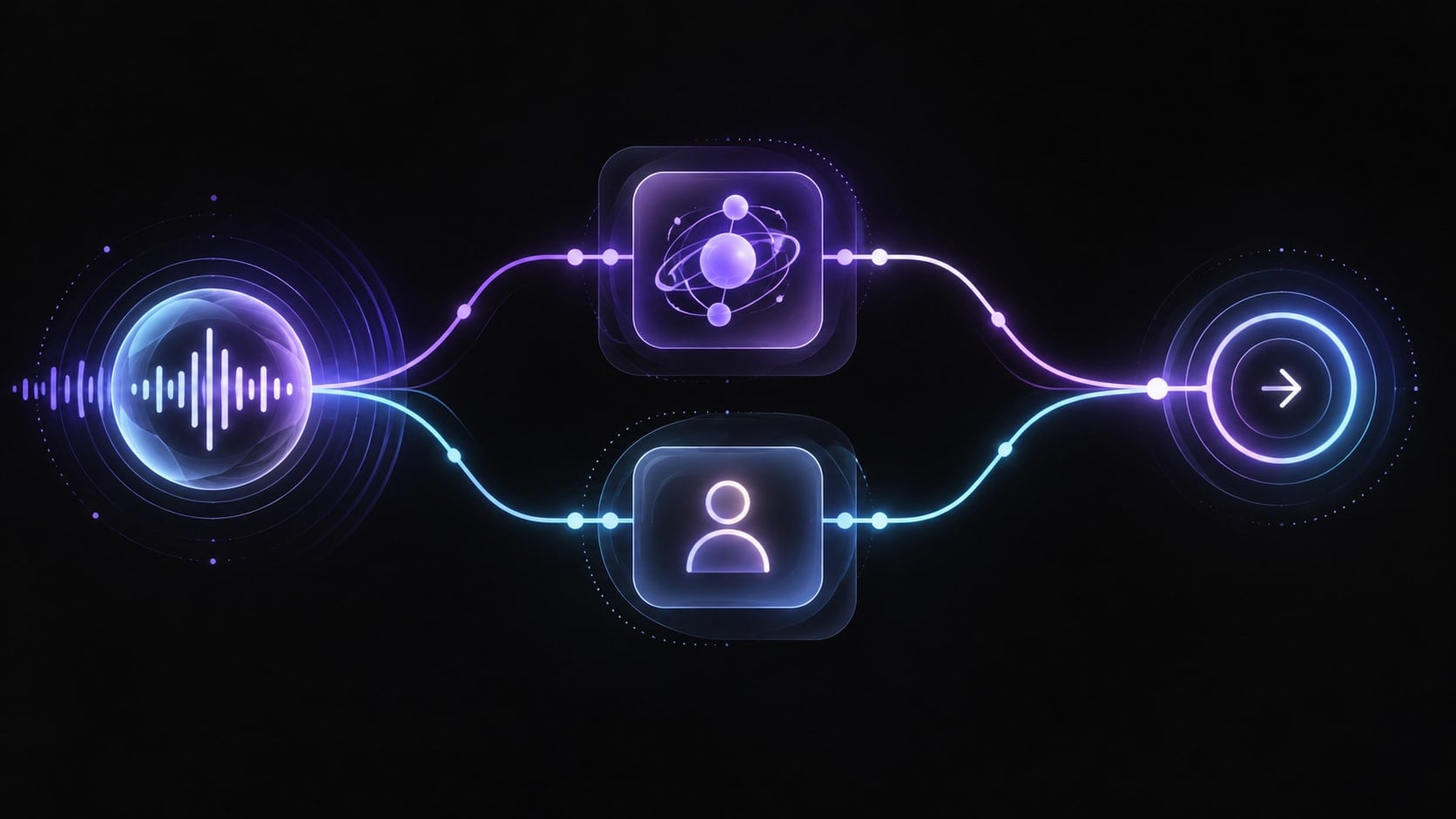
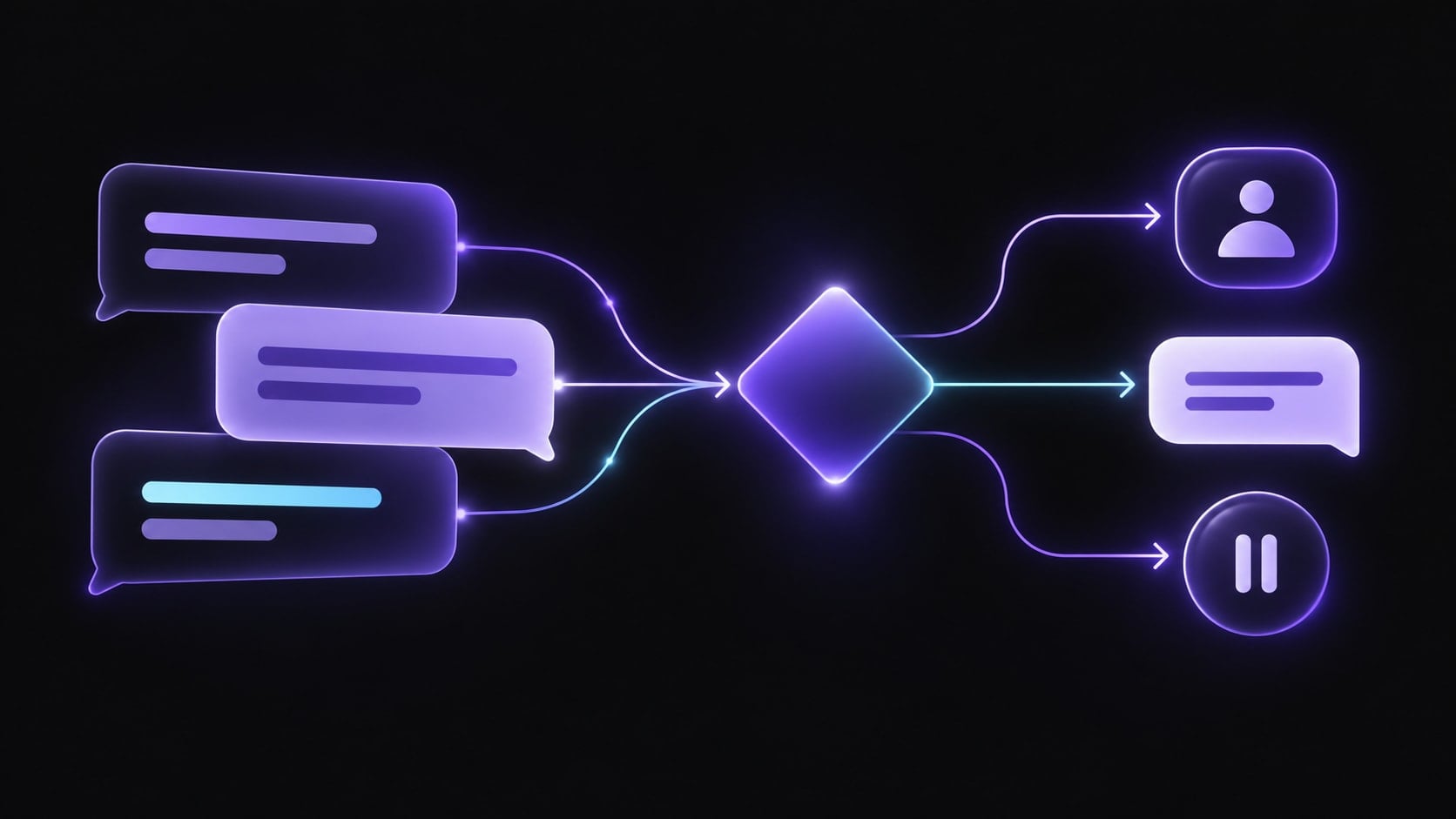
Leading organizations in 2026 don’t view this as purely either-or. The highest-performing operations deploy strategic hybrid models leveraging each approach’s strengths.

Tier 1: AI Voice Agents Handle

Routine Inquiries (60-75% of volume):

  • Account information and status
  • Order tracking and updates
  • Schedule appointments and modifications
  • Product information and specifications
  • Basic troubleshooting
  • FAQ responses
  • Lead capture and qualification
  • Payment processing and billing questions

Characteristics: High volume, well-defined processes, factual answers, straightforward resolution paths.

Result: Instant resolution at minimal cost, freeing human capacity for complex work.

Tier 2: Human Agents Handle

Complex Interactions (15-25% of volume):

  • Nuanced complaints requiring judgment calls
  • Sales negotiations and custom solutions
  • Emotional or crisis situations
  • Complex technical issues requiring creative problem-solving
  • High-value VIP customer relationships
  • Situations requiring policy exceptions or authority decisions

Characteristics: Require empathy, creativity, negotiation, or senior judgment.

Result: Human talent focuses where it delivers maximum value, with complete context from AI handoff.

Tier 3: Specialist/Management (5-10% of volume)

Escalations and strategic accounts:

  • Legal or compliance-sensitive matters
  • Executive relationships
  • Complex B2B negotiations
  • Crisis management
  • Brand-critical situations

Result: Senior expertise applied precisely where needed.

The Handoff Excellence

Success depends on seamless transitions between AI and human agents. Relaio AI excels specifically in this critical capability.

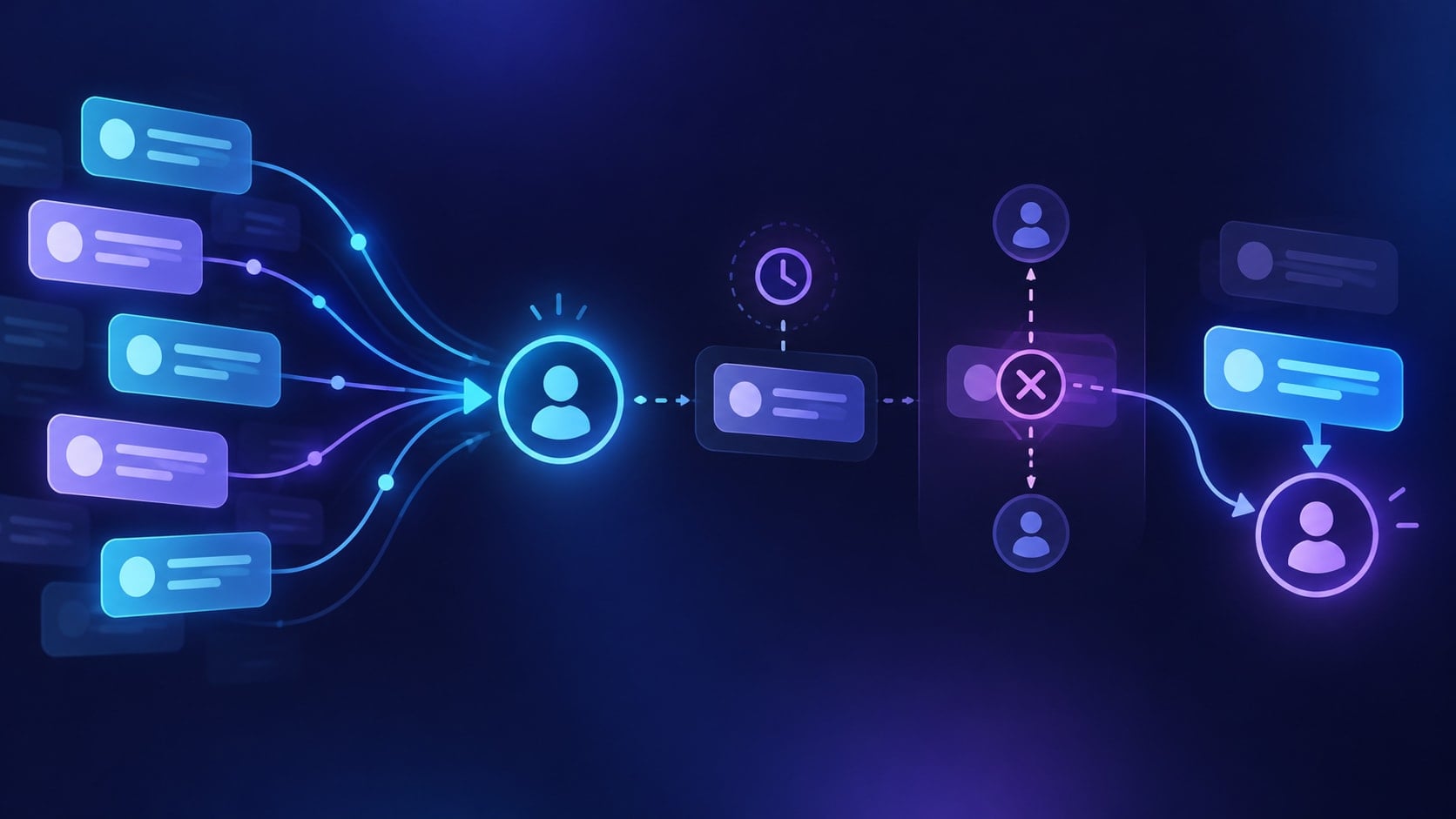
When AI voice agents identify conversations requiring human expertise, they transfer smoothly with complete context. The human agent receives conversation history, customer information, identified issues, and previous resolution attempts—eliminating the frustrating “let me start over” experience customers hate.

This intelligent routing means human agents enter conversations prepared and empowered, dramatically improving resolution rates and customer satisfaction while reducing handle time.

Real-World ROI Case Studies

Case Study 1: E-Commerce Retailer

Before AI Implementation:

  • 12 human agents handling customer service
  • Operating hours: 8 AM – 8 PM, 7 days
  • Annual staffing cost: $864,000
  • Average wait time: 4.5 minutes
  • After-hours inquiries: Lost to competitors
  • Peak season: Emergency temp hiring ($120,000 additional)

After Hybrid AI Implementation:

  • 4 human agents (retained for complex issues)
  • AI voice agents handling tier 1 inquiries
  • Operating hours: 24/7/365
  • Annual cost: $276,000 human + $24,000 AI = $300,000
  • Average wait time: 8 seconds
  • After-hours: Fully serviced
  • Peak season: Zero additional cost

Results:

  • Annual savings: $684,000 (68% reduction)
  • Customer satisfaction: +34%
  • First-contact resolution: +42%
  • Sales conversion: +28% (capturing after-hours leads)
  • Payback period: 18 days

Case Study 2: Healthcare Practice Network

Before AI Implementation:

  • 8 receptionists across 4 locations
  • Phone coverage: Business hours only
  • Annual cost: $416,000
  • Appointment scheduling: 6-8 minute average call
  • After-hours calls: Answering service ($18,000 annually)
  • No-show rate: 18% (ineffective manual reminders)

After AI Implementation:

  • 3 receptionists (handling in-person and complex calls)
  • AI voice agents for appointment scheduling, reminders, basic questions
  • Phone coverage: 24/7
  • Annual cost: $156,000 human + $28,800 AI = $184,800
  • Appointment scheduling: 2-3 minute average
  • After-hours: Full service including scheduling
  • No-show rate: 7% (automated intelligent reminders)

Results:

  • Annual savings: $249,200 (57% reduction)
  • Patient satisfaction: +41%
  • Appointment utilization: +15% (better scheduling and reminders)
  • Staff stress: Significantly reduced (no phone juggling)
  • Additional revenue from better utilization: $187,000 annually

Case Study 3: Real Estate Brokerage

Before AI Implementation:

  • 15 agents each handling own calls
  • Average missed call rate: 43%
  • No after-hours coverage
  • Lead response time: 4-18 hours average
  • Conversion rate: 2.3%

After AI Implementation:

  • Same 15 agents, augmented by Relaio AI
  • Missed call rate: 0%
  • 24/7 lead capture and qualification
  • Lead response time: Immediate
  • Conversion rate: 6.7%

Results:

  • Investment: $31,200 annually
  • Captured leads previously lost: +312%
  • Conversion improvement: +191%
  • Additional annual revenue: $847,000
  • ROI: 2,616%

The Total Cost of Inaction

While considering AI implementation costs, businesses must also calculate the cost of maintaining the status quo:

Lost Revenue from Missed Calls:

  • Average business misses 30-40% of calls
  • Average call value: $200-$2,000, depending on industry
  • For 100 daily inbound calls: 30-40 missed opportunities
  • Annual lost revenue: $2.19M – $29.2M

Competitive Disadvantage:

  • Customers choose first responder 78% of the time
  • Competitors with AI capture your leads during your off-hours
  • Market share erosion compounds over time

Operational Inefficiency:

  • Human agents spend 60-70% of their time on routine questions
  • Expert talent underutilized
  • Scaling requires lengthy hiring cycles

Customer Experience Degradation:

  • Wait times driving abandonment
  • Inconsistent service quality
  • Limited availability damaging brand perception

The cost of not implementing AI voice agents often exceeds the cost of implementation many times over.

Implementation Investment and Timeline

Typical Implementation Costs:

Small Business (< 1,000 monthly calls):

  • Platform setup: $2,000 – $5,000
  • Monthly platform: $500 – $1,000
  • Time to deployment: 1-2 weeks
  • Break-even: 30-90 days

Mid-Market (1,000 – 10,000 monthly calls):

  • Platform setup: $5,000 – $15,000
  • Monthly platform: $1,500 – $3,000
  • Time to deployment: 2-4 weeks
  • Break-even: 60-120 days

Enterprise (10,000+ monthly calls):

  • Platform setup: $15,000 – $50,000
  • Monthly platform: $3,000 – $8,000
  • Time to deployment: 4-8 weeks
  • Break-even: 90-180 days

Notable: Even enterprise implementations achieve positive ROI within the first year, with benefits compounding thereafter.

Relaio AI: Purpose-Built for Maximum ROI

Relaio AI delivers enterprise-grade AI voice agent capabilities optimized specifically for rapid deployment and measurable returns.

Deployment Speed: Most businesses go live within 7-14 days, not months. The platform handles technical complexity while you focus on business outcomes.

Integration Depth: Native connections with popular CRMs, scheduling systems, payment processors, and business tools mean your AI voice agents take action, not just collect information.

Conversation Quality: Human-like dialogue that customers prefer, with sophisticated context understanding and natural language processing that handles real-world conversation complexity.

Intelligent Routing: Seamless handoff to human agents when needed, with complete context transfer that eliminates frustrating repetition.

Performance Analytics: Comprehensive dashboards reveal exactly where AI delivers value, with metrics tied directly to revenue impact and operational efficiency.

Customization Without Complexity: Align AI voice behavior with your brand voice, policies, and business logic without requiring technical expertise or lengthy configuration.

Continuous Improvement: The platform learns from every interaction, automatically refining responses and identifying optimization opportunities.

Making the Decision: Framework for Leaders

Evaluate your current state:

  • What percentage of calls go unanswered?
  • What’s your average response time?
  • How much do routine inquiries cost to handle?
  • What revenue opportunities are you missing outside business hours?

Calculate your specific ROI:

  • Current annual customer service costs
  • Value of missed calls and delayed responses
  • Competitive positioning gap
  • Growth constraints from capacity limitations

Consider implementation approach:

  • Start with the highest-volume, most routine interactions
  • Maintain human agents for complex scenarios
  • Measure results and expand strategically

Assess platforms:

  • Deployment timeline and complexity
  • Integration capabilities with your stack
  • Conversation quality and natural language sophistication
  • Analytics and optimization tools
  • Vendor support and training

The Competitive Reality of 2026

AI voice agents have transitioned from competitive advantage to competitive necessity. Market leaders across industries have deployed these systems and are capturing disproportionate growth through superior responsiveness and efficiency.

The businesses thriving in 2026 embrace a fundamental truth: AI and human capabilities aren’t competitors—they’re complements. AI handles what AI does best: instant response, perfect consistency, unlimited scale, tireless availability. Humans focus on what humans do best: complex judgment, creative problem-solving, emotional intelligence, strategic relationships.

Organizations resisting this evolution find themselves unable to compete on response time, operating hours, consistency, or cost structure. The gap widens monthly as AI-enabled competitors reinvest their efficiency gains into further advantages.

Taking Action

The ROI data is conclusive. The technology is proven. The competitive imperative is clear.

Every day operating without AI voice agents means:

  • Revenue lost to more responsive competitors
  • Costs higher than necessary
  • Customer experience inferior to market leaders
  • Human talent misallocated to routine work
  • Growth constrained by capacity limitations

Relaio AI provides the bridge between current operations and optimized future state. With rapid deployment, measurable results, and comprehensive support, the platform delivers transformative ROI from day one.

The question isn’t whether AI voice agents deliver better economics than human-only operations—the data proves they do overwhelmingly. The question is how quickly your business will capture these benefits before competitors establish insurmountable advantages.

Your customers are calling. Your competitors are already answering instantly, 24/7, with perfect consistency. How much longer can you afford to wait?

→ Enable your AI Voice Agent for 2026 sales
Start with Relaio AI today